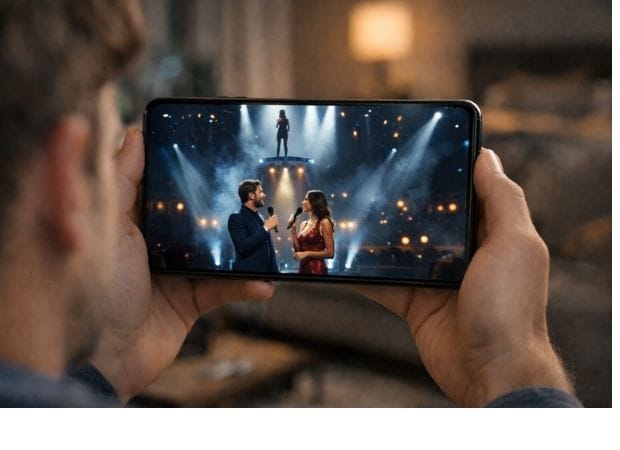
Are you ready to create vertical entertainment content in 2026 and ride the biggest wave in digital media? The entertainment industry is undergoing a seismic shift as major streaming platforms like Disney+, Netflix, and Snapchat invest billions into vertical video formats. Learning how to create vertical entertainment content 2026 isn’t just a trend—it’s becoming the primary way millions consume entertainment on their smartphones.
This comprehensive guide reveals everything you need to know about how to create vertical entertainment content 2026, from production techniques and equipment needs to monetization strategies and distribution platforms. Whether you’re an aspiring filmmaker, content creator, or entertainment entrepreneur, this guide will position you at the forefront of entertainment’s vertical revolution.
Table of Contents
- What Is Vertical Entertainment Content?
- Why Vertical Entertainment Is Exploding in 2026
- Major Platforms Investing in Vertical Content
- Types of Vertical Entertainment Content
- Equipment Needed to Create Vertical Entertainment Content
- Step-by-Step Guide to Creating Vertical Entertainment
- Storytelling Techniques for Vertical Format
- Monetization Strategies for Vertical Content
- Distribution Platforms Comparison
- Common Mistakes to Avoid
- Frequently Asked Questions
What Is Vertical Entertainment Content?
Vertical entertainment content refers to video content produced in 9:16 aspect ratio (portrait orientation) specifically designed for smartphone viewing. Unlike traditional horizontal video (16:9), learning how to create vertical entertainment content 2026 means producing full-length shows, series, documentaries, and films optimized for how people naturally hold their phones.
In 2026, vertical entertainment has evolved far beyond social media clips. Major studios now produce vertical entertainment content with production budgets rivaling traditional television. Disney+ recently announced dedicated vertical content channels, while Snapchat reports over 300 million daily viewers consuming vertical shows.
Understanding how to create vertical entertainment content 2026 requires recognizing fundamental differences from traditional filmmaking. Vertical format changes composition, framing, camera movement, and storytelling structure. The intimate, immersive nature of vertical viewing creates unique opportunities for emotional connection impossible with horizontal formats.
The vertical revolution represents the first major aspect ratio shift since widescreen became standard in the 1950s. Just as filmmakers adapted to widescreen, modern creators must master how to create vertical entertainment content 2026 to remain relevant in the evolving entertainment landscape.
Why Vertical Entertainment Is Exploding in 2026
Smartphone Dominance
Over 85% of video consumption now occurs on mobile devices, and users hold phones vertically 94% of the time. When you understand how to create vertical entertainment content 2026, you’re creating content that matches natural viewing behavior rather than forcing users to rotate devices.
Generational Shift
Gen Z and younger millennials overwhelmingly prefer vertical content. For audiences under 30, vertical entertainment feels native while horizontal video seems dated. Creators learning how to create vertical entertainment content 2026 position themselves for the dominant consumer demographic.
Platform Investment
Disney+, Netflix, YouTube, Snapchat, Instagram, and TikTok are collectively investing over $5 billion in vertical content production and distribution infrastructure. Major studios treat vertical as a legitimate development pipeline, not just marketing. Understanding how to create vertical entertainment content 2026 opens doors to studio deals and platform partnerships.
Immersive Experience
Vertical format creates intimacy impossible with traditional aspect ratios. Close-ups feel more personal, environments feel surrounding rather than distant, and the full-screen experience eliminates distractions. Mastering how to create vertical entertainment content 2026 means leveraging these psychological advantages.
Production Accessibility
Creating vertical content requires less equipment and smaller crews than traditional production. A smartphone, basic lighting, and creativity are sufficient to start. When you learn how to create vertical entertainment content 2026, you’re entering entertainment production at its most democratized moment.
Major Platforms Investing in Vertical Content
| Platform | Vertical Investment | Content Focus | Creator Opportunities | Monetization |
|---|---|---|---|---|
| Disney+ | $1B+ (2026) | Vertical shows, Marvel/Star Wars shorts | Partnership programs, IP deals | Revenue share, licensing |
| Snapchat | $500M+ annually | Original shows, reality series | Snap Originals program | Ad revenue split (50/50) |
| YouTube Shorts | $100M creator fund | Short-form vertical series | Partner program, Shorts fund | Ad revenue, Super Thanks |
| TikTok | Undisclosed | Vertical micro-dramas, series | Creator marketplace | Creator fund, brand deals |
| Instagram Reels | $1B+ investment | Entertainment content, series | Reels bonus program | Bonuses, brand partnerships |
| Netflix | Pilot programs | Vertical mobile-exclusive content | Limited acquisition | Licensing deals |
| Quibi 2.0 Revival | $200M funding | Premium short-form shows | Production partnerships | Subscription revenue |
Understanding how to create vertical entertainment content 2026 means knowing which platforms align with your content style and monetization goals. Each platform has unique requirements, audience demographics, and payment structures that impact your vertical entertainment strategy.
Types of Vertical Entertainment Content
Vertical Micro-Dramas
Format: 1-5 minute episodes, 10-50 episode seasons
Examples: Romance series, thriller serials, comedy sketches
Why It Works: Perfect for commute watching, highly bingeable
How to Create: Focus on cliffhangers, emotional beats every 30 seconds, rapid story progression
Vertical Documentaries
Format: 5-15 minute shorts or episodic series
Examples: Nature docs, true crime, biography profiles
Why It Works: Intimate perspective, immersive subject focus
How to Create: Use tight framing, vertical composition for subjects, strong narration
Vertical Reality Shows
Format: 3-10 minute episodes, ongoing series
Examples: Dating shows, competition formats, lifestyle content
Why It Works: Personal connection with participants, fast-paced editing
How to Create: Leverage confessional-style interviews, vertical split-screens, dynamic cutting
Vertical Comedy Specials
Format: Stand-up sets, sketch series, improv shows
Examples: Comedian close-ups, character-based sketches
Why It Works: Facial expressions visible, intimate performance feel
How to Create: Frame performer from waist up, use audience reactions vertically
Vertical Music Videos
Format: 2-4 minute music performances
Examples: Artist showcases, live performances, lyric videos
Why It Works: Showcases artist personality, shareable format
How to Create: Vertical choreography, creative use of vertical space, layered visuals
Vertical Horror/Thriller
Format: 3-7 minute short films, anthology series
Examples: Found footage style, psychological thrillers, supernatural shorts
Why It Works: Vertical creates claustrophobic tension, jump scares effective
How to Create: Use narrow frame for suspense, vertical reveals, immersive sound design
Equipment Needed to Create Vertical Entertainment Content
Beginner Setup ($200-500)
Smartphone: iPhone 13+ or Samsung Galaxy S21+
Tripod: Smartphone tripod with vertical mount ($30-50)
Lighting: Ring light or LED panel ($50-100)
Audio: Lavalier microphone ($25-75)
Editing: CapCut, InShot, or Adobe Rush mobile apps (free-$10/month)
Best For: Starting to learn how to create vertical entertainment content 2026, testing concepts, building portfolio
Intermediate Setup ($1,000-3,000)
Camera: Sony ZV-1 or Canon EOS M50 Mark II ($600-800)
Vertical Monitor: Atomos Ninja V with vertical mount ($500)
Lighting Kit: 3-point LED lighting system ($200-400)
Audio: Rode VideoMic Pro+ ($300)
Gimbal: DJI OM 6 or Zhiyun Smooth 5 ($150-200)
Editing: Adobe Premiere Pro ($55/month)
Best For: Professional-quality vertical content, client work, platform partnerships
Professional Setup ($5,000-15,000)
Camera: Sony A7IV or RED Komodo with vertical rig ($3,000-8,000)
Lenses: Prime lens set optimized for vertical framing ($1,500-3,000)
Lighting: Professional LED panel array ($1,000-2,000)
Audio: Wireless lav system + boom mic ($800-1,500)
Production Design: Green screen, props, sets ($500-1,000)
Editing Suite: Full Adobe Creative Cloud + color grading tools ($100/month)
Best For: Studio-quality productions, distribution deals, major platform content
When learning how to create vertical entertainment content 2026, start with equipment you can afford. Platforms like Snapchat and TikTok feature smartphone-shot content alongside professional productions. Quality storytelling matters more than expensive gear initially.
Step-by-Step Guide to Creating Vertical Entertainment
Phase 1: Concept Development (Week 1)
Choose Your Format
Decide what type of vertical entertainment you’ll create. If you’re new to how to create vertical entertainment content 2026, start with micro-dramas or documentary shorts—they’re most forgiving for beginners.
Define Your Audience
Who will watch your vertical content? Age, interests, and viewing habits determine everything from pacing to music choices when you create vertical entertainment content.
Write Your Script
Vertical storytelling requires different structure. Aim for emotional beats every 30-45 seconds. Unlike horizontal content, vertical scripts need tighter pacing and more frequent visual variety.
Storyboard Vertically
Use portrait-oriented storyboards. Composition rules change in vertical—what works horizontally often fails vertically. Practice how to create vertical entertainment content 2026 by sketching shots in 9:16 format.
Phase 2: Pre-Production (Week 2)
Scout Locations
Look for vertically interesting spaces. Tall buildings, narrow corridors, forests with vertical tree lines, and staircases all enhance vertical composition when you create vertical entertainment content.
Cast Appropriately
Vertical format emphasizes faces and expressions. Cast actors comfortable with close-up work. When learning how to create vertical entertainment content 2026, recognize that different performance styles work better vertically.
Plan Vertical Shots
Traditional shot lists don’t translate. Create vertical-specific shot plans focusing on: vertical leading lines, top-to-bottom reveals, vertical movement, stacked composition layers, and intimate framing.
Design Sets for Vertical
Set design must work in narrow frame. Vertical space matters more than horizontal width. Understanding how to create vertical entertainment content 2026 includes rethinking production design entirely.
Phase 3: Production (Week 3-4)
Frame for Vertical
Keep subjects centered vertically with headroom at top and feet/context at bottom. When you create vertical entertainment content, every inch of vertical space tells story.
Direct for Mobile Viewing
Remember viewers watch on 6-inch screens. Subtle expressions won’t register—performances need clarity. Learning how to create vertical entertainment content 2026 means directing actors for small-screen impact.
Use Vertical Movement
Camera movements should emphasize vertical space: risers and drops rather than pans, vertical tracking shots, top-down or bottom-up perspectives, and crane shots that reveal vertical layers.
Capture Clean Audio
Mobile viewers often watch with sound on in public spaces or with earbuds. Pristine audio matters more in vertical entertainment than traditional content.
Phase 4: Post-Production (Week 5-6)
Edit for Vertical Attention Span
Vertical content viewers have 30% shorter attention spans than horizontal viewers. Cut faster, trim ruthlessly, and maintain momentum. Mastering how to create vertical entertainment content 2026 requires understanding these viewing patterns.
Color Grade for Mobile Screens
Smartphone screens display differently than monitors. Colors should be slightly more saturated, contrast slightly higher, and dark scenes brighter than traditional grading.
Design Vertical Graphics
Titles, credits, and graphics must work in vertical space. Lower thirds don’t work—consider top or bottom placement instead when you create vertical entertainment content.
Optimize Sound Mix
Mix for earbuds and phone speakers, not studio monitors. Dialogue clarity matters most. Understanding how to create vertical entertainment content 2026 includes audio optimization for mobile playback.
Phase 5: Distribution (Week 7)
Export in Vertical Format
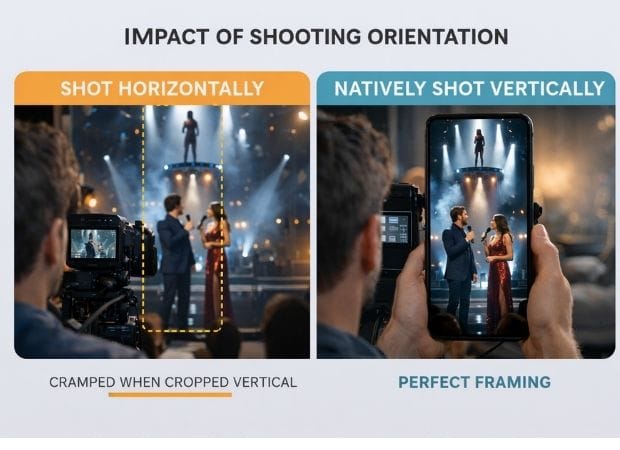
Always export in 1080×1920 or 2160×3840 resolution. Never crop horizontal content to vertical—audiences can tell, and it looks amateur.
Create Platform-Specific Versions
Each platform has ideal length and formatting. Learning how to create vertical entertainment content 2026 means adapting your content for TikTok (15-60 seconds), Instagram Reels (15-90 seconds), YouTube Shorts (under 60 seconds), and Snapchat Shows (3-5 minutes).
Optimize Metadata
Vertical content discovery works differently. Use vertical-specific hashtags and descriptions that emphasize mobile viewing when you create vertical entertainment content.
Schedule Strategic Posting
Vertical content performs best during mobile-heavy times: morning commutes (7-9 AM), lunch breaks (12-1 PM), and evening wind-down (8-11 PM).
Storytelling Techniques for Vertical Format
Vertical Visual Language
Traditional cinematic techniques don’t always translate to vertical format. When you learn how to create vertical entertainment content 2026, master these vertical-specific approaches:
Vertical Depth Staging
Instead of horizontal depth, use foreground-midground-background stacked vertically. Place subjects at different vertical levels rather than horizontal positions.
The Vertical Rule of Thirds
Divide frame into vertical thirds. Place key subjects at upper third (eye-level connection) or lower third (power positioning). Understanding how to create vertical entertainment content 2026 means relearning composition fundamentals.
Face-Forward Framing
Vertical format rewards direct-to-camera address. Breaking the fourth wall works exceptionally well. When you create vertical entertainment content, consider incorporating direct audience engagement.
Vertical Reveals
Build suspense by revealing vertically—start tight at top and pull out to show full vertical space, or reverse. This technique is unique to learning how to create vertical entertainment content 2026.
Pacing for Vertical
Vertical content demands different rhythmic pacing. Average shot length should be 2-4 seconds compared to 4-6 seconds in traditional content. When you create vertical entertainment content, maintain constant visual interest through frequent cuts, movement within frame, and dynamic composition changes.
Audio-First Storytelling
Many vertical viewers watch with sound on (unlike horizontal content often watched muted). Leverage this when you learn how to create vertical entertainment content 2026 by using dialogue to drive story, incorporating music that enhances emotional beats, and creating sound design that rewards attentive listening.
Monetization Strategies for Vertical Content
Platform Revenue Sharing
How It Works: Platforms pay creators based on views and engagement
Requirements: Meet platform monetization thresholds
Earnings Potential: $1-10 per 1,000 views depending on platform
Best For: Consistent content creators building audiences
When you master how to create vertical entertainment content 2026, platform revenue becomes reliable income stream.
Brand Partnerships
How It Works: Brands sponsor vertical content or product placements
Requirements: Engaged audience of 10K+ followers
Earnings Potential: $500-50,000 per partnership depending on reach
Best For: Niche content with specific demographics
Studio Development Deals
How It Works: Major studios option successful vertical series
Requirements: Proven vertical content with strong viewership
Earnings Potential: $25,000-500,000+ for option/development
Best For: Serialized storytelling with IP potential
Learning how to create vertical entertainment content 2026 can lead to traditional Hollywood opportunities as studios scout vertical creators.
Direct-to-Consumer Sales
How It Works: Sell behind-the-scenes access, extended cuts, merchandise
Requirements: Dedicated fanbase
Earnings Potential: $100-10,000+ monthly
Best For: Entertainment content with devoted communities
Licensing to Platforms
How It Works: Create vertical content and license to multiple platforms
Requirements: Professional-quality production
Earnings Potential: $5,000-100,000+ per series
Best For: Established creators with distribution relationships
Educational Content
How It Works: Teach others how to create vertical entertainment content 2026
Requirements: Successful vertical content portfolio
Earnings Potential: $1,000-20,000+ monthly from courses/coaching
Best For: Experienced vertical creators willing to teach
Distribution Platforms Comparison
| Platform | Ideal Length | Best Content Type | Payment Model | Audience Age | Competition Level |
|---|---|---|---|---|---|
| TikTok | 15-60 sec | Micro-dramas, comedy | Creator fund, gifts | 16-24 | Very High |
| Instagram Reels | 15-90 sec | Entertainment, comedy | Bonuses, brand deals | 18-34 | High |
| YouTube Shorts | Under 60 sec | Series, documentaries | Ad revenue share | 18-44 | Medium-High |
| Snapchat | 3-10 min | Shows, reality | 50/50 ad revenue | 13-25 | Medium |
| Disney+ Vertical | 5-15 min | Premium entertainment | Licensing deals | All ages | Low (emerging) |
| Facebook Reels | 15-60 sec | Broad entertainment | Ad revenue | 25-54 | Medium |
| Pinterest Idea Pins | 15-60 sec | Lifestyle, how-to | Affiliate, brand deals | 25-44 | Low |
Understanding platform differences is crucial when learning how to create vertical entertainment content 2026. Choose platforms that match your content style and target audience.
Common Mistakes to Avoid
Mistake 1: Cropping Horizontal Content
Simply cropping horizontal video to vertical looks amateur and cuts off important visual information. When you learn how to create vertical entertainment content 2026, shoot natively in vertical format.
Mistake 2: Ignoring Vertical Composition
Using horizontal composition rules creates awkward vertical frames with wasted space. Master vertical-specific composition when you create vertical entertainment content.
Mistake 3: Too Much Text
Small mobile screens can’t accommodate lots of text. Keep on-screen text minimal and large. Understanding how to create vertical entertainment content 2026 means designing for 6-inch viewing.
Mistake 4: Neglecting Sound Design
Vertical viewers watch with sound on more than horizontal content. Poor audio kills vertical entertainment. Invest in sound quality when you create vertical entertainment content.
Mistake 5: Wrong Pacing
Using traditional film pacing in vertical format loses viewers. Cut faster and maintain constant momentum. Learning how to create vertical entertainment content 2026 requires relearning editorial rhythm.
Mistake 6: Horizontal Thinking
Approaching vertical as “horizontal turned 90 degrees” fundamentally misunderstands the format. Vertical is its own medium with unique rules when you create vertical entertainment content.
Mistake 7: Platform Misunderstanding
Posting same content across all platforms without optimization reduces performance. Adapt content for each platform when you learn how to create vertical entertainment content 2026.
Frequently Asked Questions
What equipment do I need to create vertical entertainment content?
To create vertical entertainment content 2026, start with just a smartphone (iPhone 11 or newer, Samsung Galaxy S20+), a tripod with phone mount ($20-40), basic lighting like a ring light ($40-80), and a lavalier microphone ($25-50). Total investment: $100-200. This equipment is sufficient for learning how to create vertical entertainment content 2026 and building your initial portfolio. As you advance, invest in dedicated cameras, professional lighting, and editing software, but smartphone setups can produce platform-ready content.
Can you really make money creating vertical entertainment content?
Yes, creators successfully monetize vertical entertainment content through multiple revenue streams. Platform payments range from $1-10 per 1,000 views. Brand partnerships pay $500-50,000 depending on audience size. Studio development deals for successful vertical series range from $25,000-500,000+. Creators who master how to create vertical entertainment content 2026 and build consistent audiences earn $2,000-50,000+ monthly. Income varies based on content quality, posting consistency, and platform strategy, but vertical entertainment is increasingly lucrative.
How long should vertical entertainment content be?
Optimal length depends on platform and content type. When you create vertical entertainment content 2026, follow these guidelines: TikTok and Instagram Reels perform best at 15-60 seconds for maximum reach. YouTube Shorts work well under 60 seconds. Snapchat Shows succeed at 3-10 minutes. Disney+ vertical content runs 5-15 minutes. Start shorter while learning how to create vertical entertainment content 2026, then experiment with longer formats as your skills develop. Engagement rate matters more than length.
Is vertical entertainment just a trend or the future?
Vertical entertainment is definitively the future for mobile-first audiences. Over 85% of video consumption occurs on mobile devices held vertically 94% of the time. Major studios investing billions in vertical infrastructure signals lasting format shift, not temporary trend. Gen Z overwhelmingly prefers vertical content, and as this demographic ages, vertical will dominate. Learning how to create vertical entertainment content 2026 positions you for long-term career opportunities as traditional horizontal content becomes secondary format for younger audiences.
What types of stories work best in vertical format?
Vertical format excels at intimate character-driven stories, personal documentaries, reality content, micro-dramas with fast pacing, horror/thriller with claustrophobic tension, and comedy focused on facial expressions. Stories emphasizing vertical visual elements (tall buildings, nature, fashion) work particularly well. When you learn how to create vertical entertainment content 2026, focus on emotional connection over epic scope. The intimate nature of vertical viewing rewards personal stories over spectacle, though creative filmmakers are expanding what’s possible.
Do major streaming platforms really want vertical content?
Absolutely. Disney+ launched dedicated vertical content channels in 2026. Netflix is piloting vertical mobile-exclusive programming. Snapchat pays over $500 million annually for vertical originals. YouTube prioritizes Shorts in recommendations. These aren’t experiments—they’re strategic pivots to mobile-first audiences. Studios scout vertical creators for development deals. Understanding how to create vertical entertainment content 2026 opens doors to traditional entertainment industry opportunities that didn’t exist for digital creators previously.
How do I transition from horizontal to vertical filmmaking?
Transitioning requires unlearning horizontal habits and embracing vertical-specific techniques. Start by watching exclusively vertical content for one week to internalize the visual language. Practice shooting vertical compositions in locations you know. Study how successful creators frame shots, pace edits, and structure stories when they create vertical entertainment content. Take a course specifically on vertical production. Most importantly, accept that vertical is a different medium requiring different skills—approach it as learning filmmaking fresh rather than adapting existing knowledge.
What makes vertical entertainment different from regular TikTok videos?
Vertical entertainment content features serialized storytelling, higher production values, longer narrative arcs, professional-level cinematography and editing, and intentional dramatic structure. While TikTok videos can be spontaneous or documentary-style, vertical entertainment is scripted, planned, and produced like traditional television—just in vertical format. When you learn how to create vertical entertainment content 2026, you’re creating episodic shows, not social media posts. The distinction is production intent and storytelling ambition, not just format.
Can I shoot vertical content with a professional camera?
Yes, professional cameras work excellently for vertical entertainment when properly rigged. You’ll need a vertical mounting cage or custom rig, vertical-oriented monitoring, and potentially different lenses optimized for vertical framing. Many creators who master how to create vertical entertainment content 2026 use cameras like Sony A7 series, Canon R5/R6, or even RED cameras in vertical configuration. The advantage is superior image quality and creative control compared to smartphones, though smartphones remain perfectly viable for most vertical entertainment production.
How do I get my vertical content noticed by platforms?
Maximize discoverability when you create vertical entertainment content by posting consistently (daily or every other day), using platform-specific hashtags (#verticalentertainment, #verticalseries), engaging with comments immediately, collaborating with other vertical creators, and optimizing posting times for your audience (typically 7-9 AM, 12-1 PM, 8-11 PM). Quality and consistency matter more than gaming algorithms. Platforms increasingly promote vertical entertainment content in recommendations. Focus on creating compelling stories—audience retention signals to algorithms that content deserves broader distribution.
Start Creating Vertical Entertainment Content Today
The vertical entertainment revolution is here, and 2026 represents the perfect moment to master how to create vertical entertainment content. Major platforms are investing billions, audiences are demanding more vertical content, and the barrier to entry has never been lower. Whether you start with a smartphone or professional equipment, the opportunity to build a career creating vertical entertainment content is unprecedented.
Stop thinking horizontally. Start creating vertically. The future of entertainment is vertical, and that future is now.
Your next step: Grab your smartphone, choose a vertical entertainment format from this guide, shoot your first 30-second vertical scene today, and post it to TikTok or Instagram Reels tonight. You’ve just learned how to create vertical entertainment content 2026—now it’s time to do it.
About The Author
